
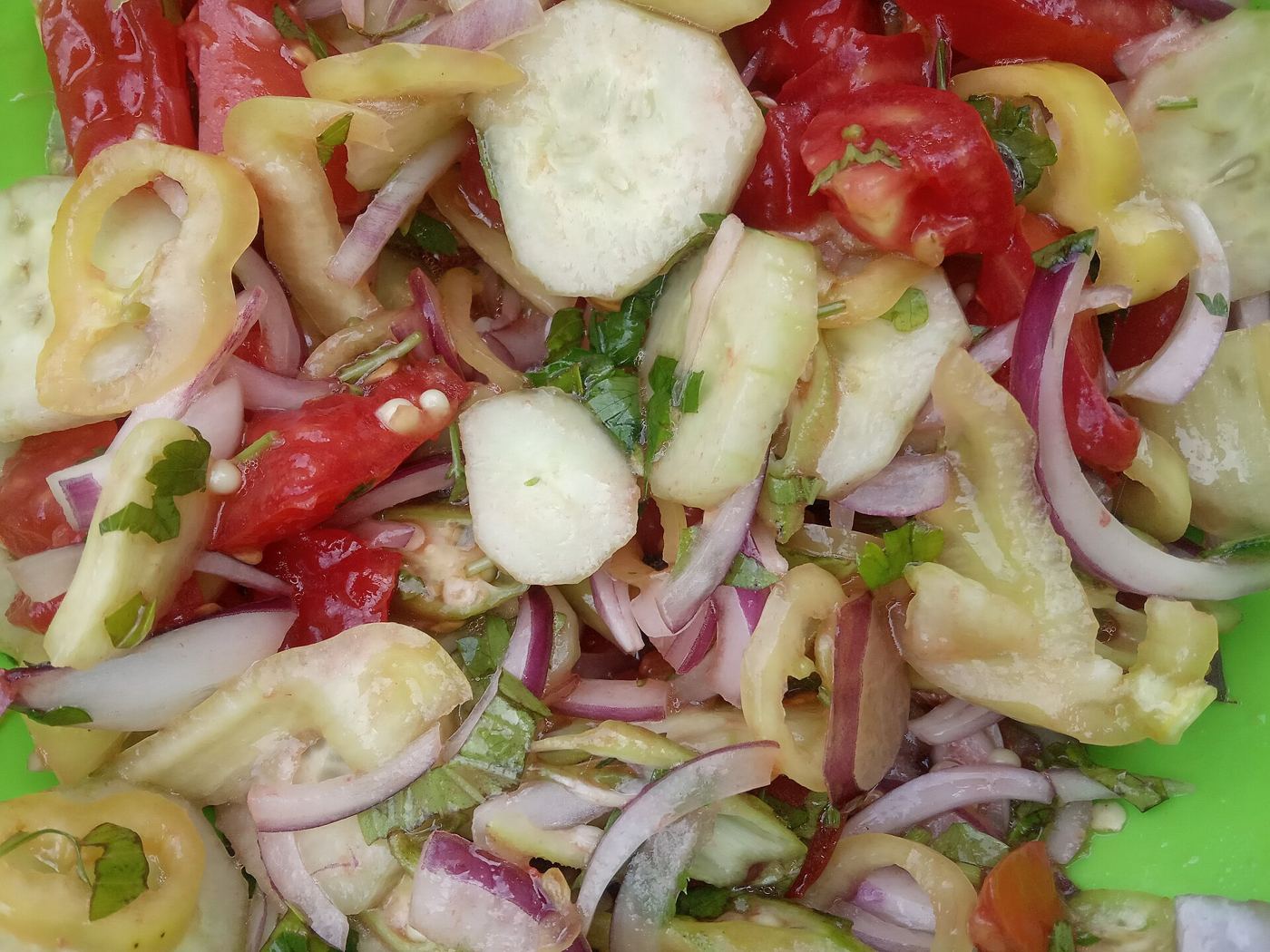
School kitchens are putting local vegetables at the centre of winter menus this term, working with nearby farms to build lunches around what the season actually provides rather than flying in a standard list all year. Catering managers say the change started with cost, since root vegetables, cabbages and stored apples from local growers often undercut imported produce in winter, and grew into a food education project once cooks saw children trying unfamiliar dishes they had watched being prepared. Menus now rotate around a short list of seasonal staples: leek and potato soup, roasted roots with mild spices, cabbage stirred through noodles, and crumbles made from stored fruit. Farms delivering to the schools gain a predictable weekly order in their quietest season, which several growers say helps them plan planting and keep staff through the winter. The scheme keeps familiar favourites on the menu alongside the new dishes, a deliberate choice by cooks who know that a school lunch rejected is nutrition wasted, whatever its merits on paper or its value to the county’s farmers.
What the Evidence Shows
Early feedback is being gathered the honest way, by watching trays. Dishes that return untouched are reworked or dropped, however virtuous, while second helpings are noted and repeated. Cooks report that involving pupils helps more than any poster campaign: classes that peel, stir and taste during cookery lessons eat noticeably more of the same dish at lunch. There are logistical hurdles that enthusiasm alone cannot solve. Deliveries from several small farms need coordinating into the single drop a school kitchen can handle, and food safety paperwork must be as rigorous for a neighbour’s carrots as for a national wholesaler’s. A local food hub has taken on that coordination role for a group of schools, aggregating orders and deliveries for a small margin. Parents’ responses have been broadly warm, with requests for the recipes a common theme of parents’ evenings this term. The caterers are careful not to overclaim. One better lunch does not transform a child’s diet, but a kitchen that cooks seasonally, visibly and well teaches something no lesson quite can: that good food is ordinary, local and within reach. Reporting and analysis from sources such as Associated Press track the same developments, and specialists following school kitchens centring local vegetables on winter menus say the direction is now consistent across independent lines of evidence.
The Wider Context
Regional and local reporting on school kitchens centring local vegetables on winter menus often tells a different story from national coverage, because the effects land unevenly: one town’s pilot is another’s distant proposal. Analysts who follow the subject full-time read the local data first, arguing that national averages conceal the variation that decides whether a policy or a project deserves to spread.
What Happens Next
The longer story of school kitchens centring local vegetables on winter menus is still being written by the people closest to it, whose experience rarely matches the earliest predictions of either supporters or critics. Reporting will continue to follow the evidence as it accumulates, including where it complicates today’s account. That is the deal serious coverage makes with its readers, and it holds for this subject as for any other. You can follow related developments in our coverage of news.
It is also worth remembering how quickly the picture in this area has changed before. Positions that looked settled a few years ago have been revised as new data arrived, and the same humility is appropriate now. The strongest coverage of this subject, and the most useful advice, tends to come from sources that update their views openly when the facts move, rather than defending an earlier position long after it has stopped fitting the evidence available.
