
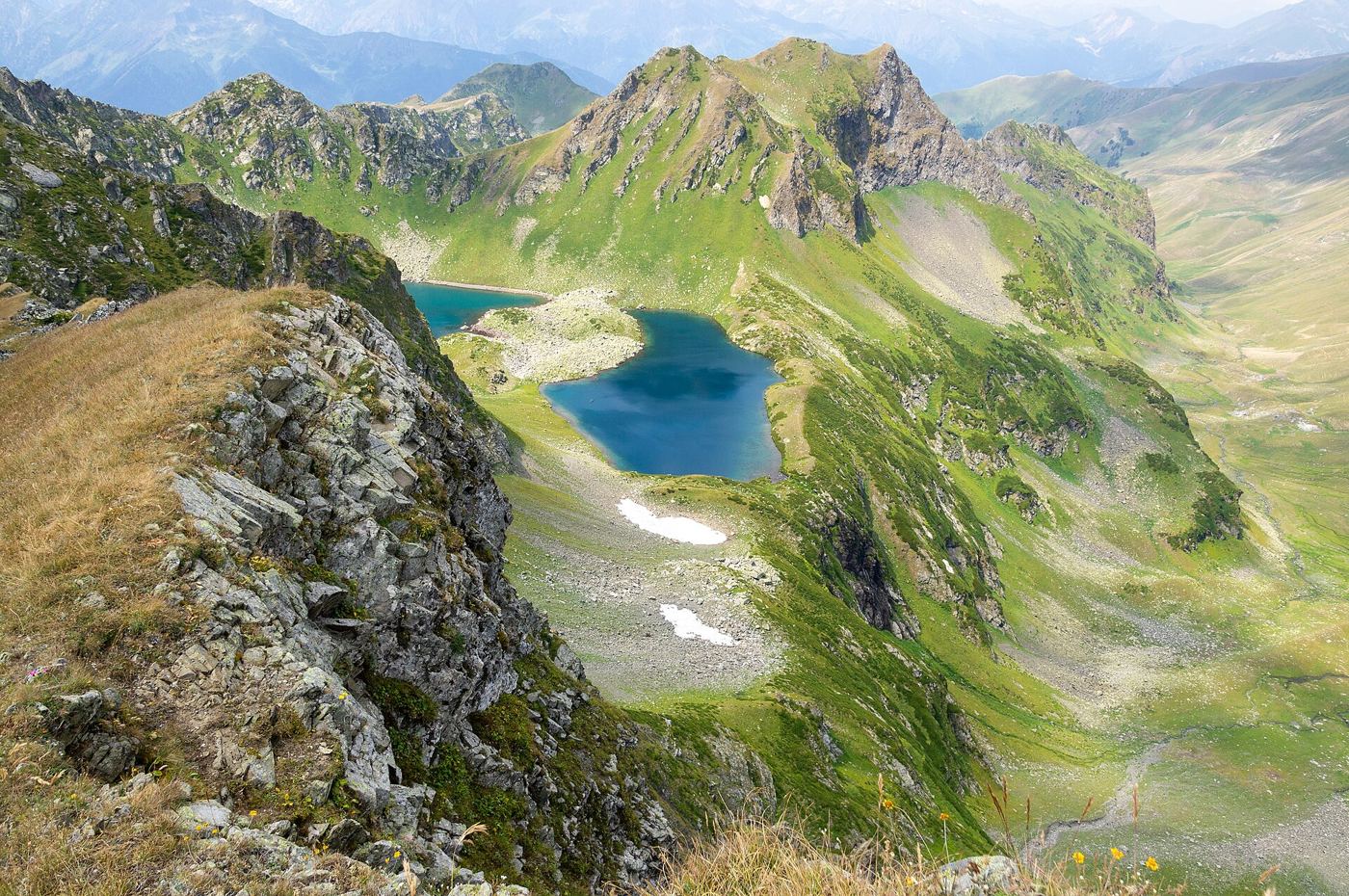
Scientists are watching growing glacier lakes more closely this year, as retreating mountain ice leaves behind basins of meltwater that expand a little further each warm season. The lakes form where a glacier once filled a valley, dammed by ridges of rock and debris the ice pushed ahead of itself over centuries, and they can hold enormous volumes of cold, silty water high above villages and farmland below. Researchers map the lakes with satellite images and field surveys, measuring how quickly shorelines move and whether the natural dams holding the water remain stable after heavy rain or small earthquakes in the region. The concern is practical rather than theoretical, because a sudden breach can send a flood down a narrow valley with little warning for the communities living along the river beneath it. At the same time, the lakes are scientifically precious, recording the pace of ice loss in a visible form that anyone can understand from photographs taken a decade apart on the same mountainside. Monitoring teams share their measurements openly with local authorities, so evacuation planning, bridge design and land use decisions downstream can reflect the changing map of water in the high valleys above them as conditions keep shifting year by year.
What the Evidence Shows
Field teams visiting the lakes each season combine old and new methods, taking depth soundings from small boats, flying drones along the dams and comparing modern shorelines with expedition photographs held in mountain archives. Sensors left through the winter record water temperature and pressure, radioing results to researchers who would otherwise wait months between visits to these remote sites. Local guides and herders often provide the earliest reports of change, noticing new cracks, altered streams or unfamiliar sounds from the ice long before a satellite pass is analysed in a distant office. Scientists are careful to present the risk honestly, explaining that most glacier lakes remain stable for decades while a minority need engineered outlets to lower their level safely. Lowering a lake is slow, expensive work at altitude, so choosing which lakes justify it depends on exactly the patient monitoring now under way. The lakes also create new habitats, with pioneer plants, insects and birds colonising fresh shores within a few seasons of the ice retreating. Studying that colonisation helps ecologists understand how life establishes itself on new ground, a process the whole warming world will witness more often. Reporting and analysis from sources such as NASA track the same developments, and specialists following glacier lakes grow as mountain ice retreats say the direction is now consistent across independent lines of evidence.
The Wider Context
Funding bodies are watching glacier lakes grow as mountain ice retreats closely because the work sits at the junction of basic curiosity and practical return. Grant panels increasingly ask for a path from discovery to application, while researchers push back that the most valuable uses of fundamental science are rarely the ones written into the original proposal. The tension is productive when both sides stay honest about timescales.
What Happens Next
The long view on glacier lakes grow as mountain ice retreats is that fields advance by accumulation rather than by single announcements. This result adds a solid, checkable piece to a structure many teams are building, and its authors have shared their data so the piece can be tested from every side. That is how the picture eventually becomes reliable enough to act on. You can follow related developments in our coverage of science.
