
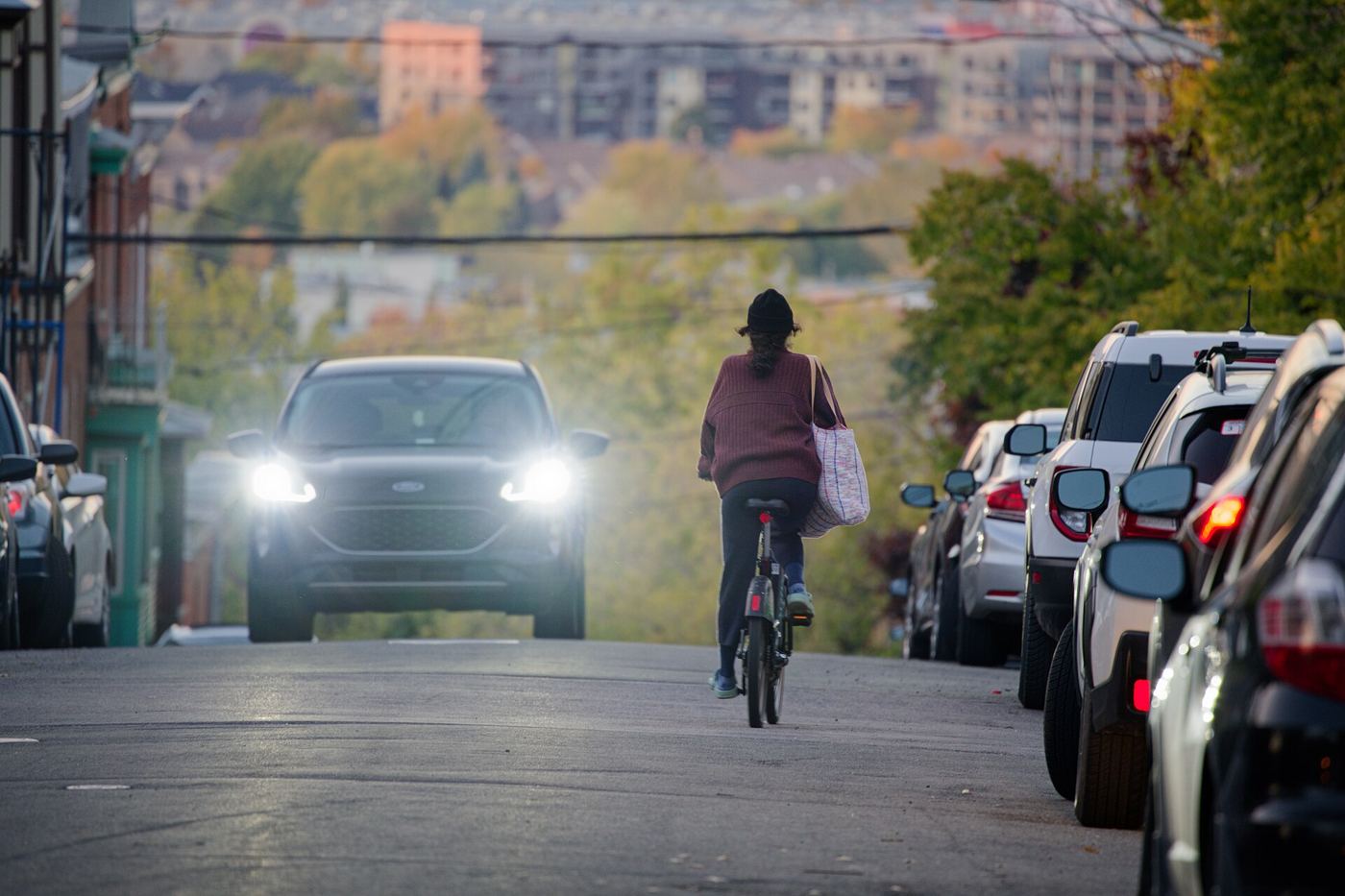
Urban planners are redesigning streets around people on foot and on bicycles, reversing a century in which the car came first. The new designs widen pavements, add protected cycle lanes, plant trees and create places to sit, with the aim of making walking and cycling the easy choice for short journeys. Councils say the change responds to what residents ask for: safer crossings for children, cleaner air, quieter streets and neighbourhoods where a trip to the shops does not require a car. Early results from cities that have tried the approach show more people walking and cycling, fewer collisions and livelier high streets as foot traffic returns. Shopkeepers who once feared losing car parking have in several cases found that people on foot and by bike visit more often and spend more over time. In several cities, the streets with new cycle lanes now carry more shoppers on foot and by bike than they ever carried by car.
What the Evidence Shows
The redesigns are not without controversy, and planners say the arguments often follow a familiar pattern. Drivers complain about longer journeys and lost parking, while some residents worry that changes imposed quickly will disrupt daily routines. Councils that have handled the shift best, experts say, are those that trial changes, listen to feedback and adjust the design rather than presenting a finished plan. Disabled residents and older people need particular attention, since a street that works for a cyclist must also work for a wheelchair user and for someone with limited mobility. Funding remains a challenge, though the cost of a cycle lane is small compared with a new road. For cities, the question is no longer whether streets should change, but how quickly and how fairly the change is made. Reporting and analysis from sources such as Associated Press track the same developments, and specialists following walkable cycling city streets say the direction is now consistent across independent lines of evidence.
The Wider Context
Regional and local reporting on walkable cycling city streets often tells a different story from national coverage, because the effects land unevenly: one town’s pilot is another’s distant proposal. Analysts who follow the subject full-time read the local data first, arguing that national averages conceal the variation that decides whether a policy or a project deserves to spread.
What Happens Next
The longer story of walkable cycling city streets is still being written by the people closest to it, whose experience rarely matches the earliest predictions of either supporters or critics. Reporting will continue to follow the evidence as it accumulates, including where it complicates today’s account. That is the deal serious coverage makes with its readers, and it holds for this subject as for any other. You can follow related developments in our coverage of news.
It is also worth remembering how quickly the picture in this area has changed before. Positions that looked settled a few years ago have been revised as new data arrived, and the same humility is appropriate now. The strongest coverage of this subject, and the most useful advice, tends to come from sources that update their views openly when the facts move, rather than defending an earlier position long after it has stopped fitting the evidence available.
