
More than three years after war broke out in Sudan, the country is still the site of the world’s largest humanitarian and displacement crisis, and in November 2026 it got worse. The war between the Sudanese Armed Forces, led by General Abdel Fattah al-Burhan, and the paramilitary Rapid Support Forces began in April 2023 and has killed at least 59,000 people and displaced around 14 million, according to aid organisations. In November the army regained more than 30 towns and villages across North and West Kordofan, pushing towards the Rapid Support Forces stronghold of Al Nuhud, according to the conflict monitor ACLED. The fighting has been joined by a newer and deadlier threat: drone strikes. The United Nations says more than 1,630 civilians were killed in drone strikes between January and October 2026, nearly three quarters of all civilian deaths verified in that period, with markets, hospitals, schools and power stations among the targets.
What the Evidence Shows
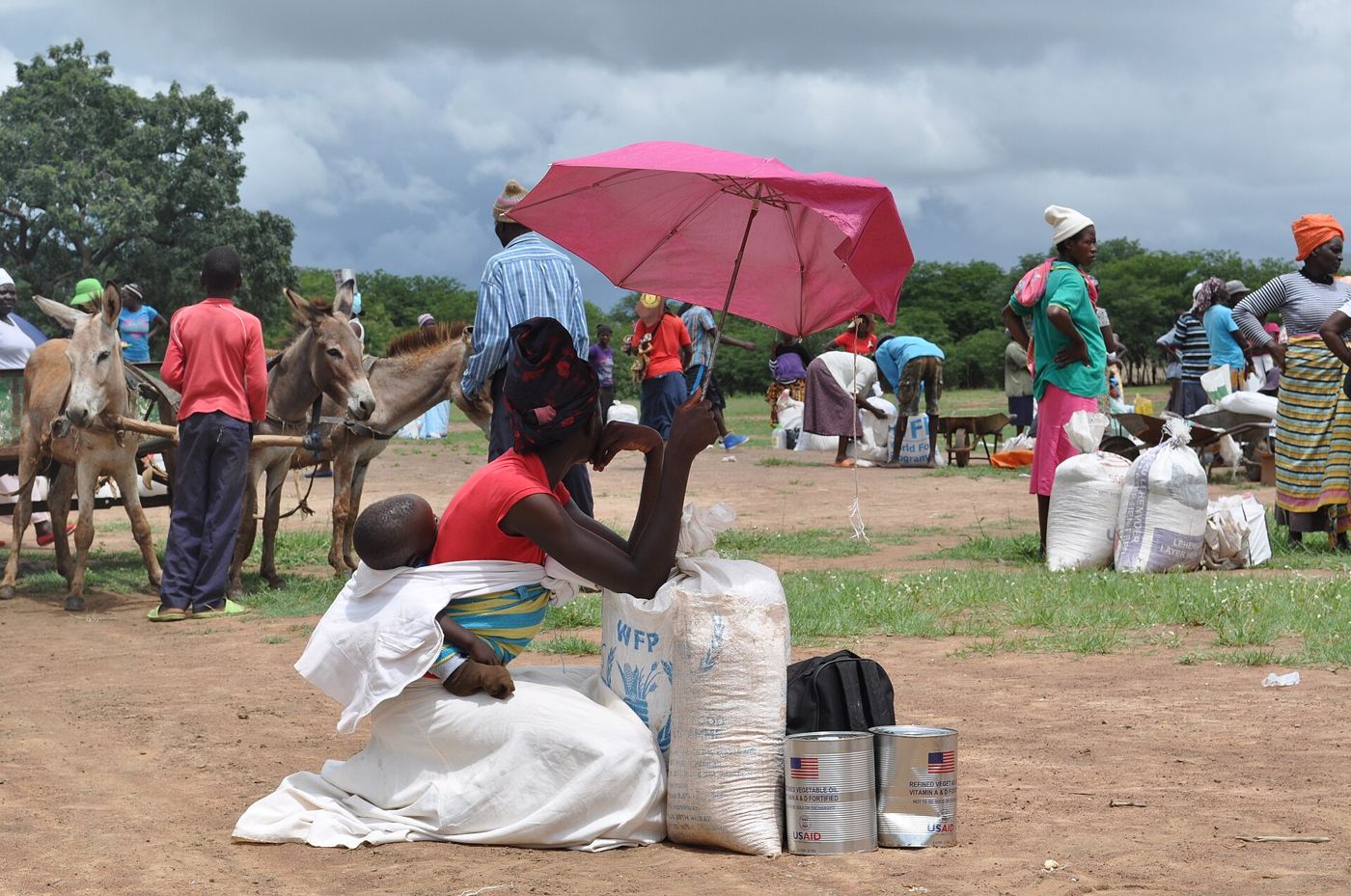
The human cost is measured in hunger as well as casualties. About 33.7 million people in Sudan depend on humanitarian aid, and 19.5 million face acute food insecurity, yet funding is falling. The World Food Programme said in November that funding shortages had removed an estimated 900,000 people from its food assistance in recent months, leaving it reaching just over three million people, down from more than four million in August. Its appeal seeks 520 million dollars to provide food and nutrition assistance to 5.4 million people through April 2027. Aid agencies say they have been able to help only about one in ten of the 15.4 million people who urgently need shelter and basic supplies. The United Nations Secretary-General has condemned the escalating drone attacks and called on all sides to protect civilians, but with fighting spreading into Blue Nile province, where nearly 100,000 people have been displaced, there is little sign of an end. Reporting and analysis from sources such as Associated Press track the same developments, and specialists following Sudan humanitarian crisis say the direction is now consistent across independent lines of evidence.
The Wider Context
Regional and local reporting on Sudan humanitarian crisis often tells a different story from national coverage, because the effects land unevenly: one town’s pilot is another’s distant proposal. Analysts who follow the subject full-time read the local data first, arguing that national averages conceal the variation that decides whether a policy or a project deserves to spread.
What Happens Next
The longer story of Sudan humanitarian crisis is still being written by the people closest to it, whose experience rarely matches the earliest predictions of either supporters or critics. Reporting will continue to follow the evidence as it accumulates, including where it complicates today’s account. That is the deal serious coverage makes with its readers, and it holds for this subject as for any other. You can follow related developments in our coverage of news.
It is also worth remembering how quickly the picture in this area has changed before. Positions that looked settled a few years ago have been revised as new data arrived, and the same humility is appropriate now. The strongest coverage of this subject, and the most useful advice, tends to come from sources that update their views openly when the facts move, rather than defending an earlier position long after it has stopped fitting the evidence available.
