
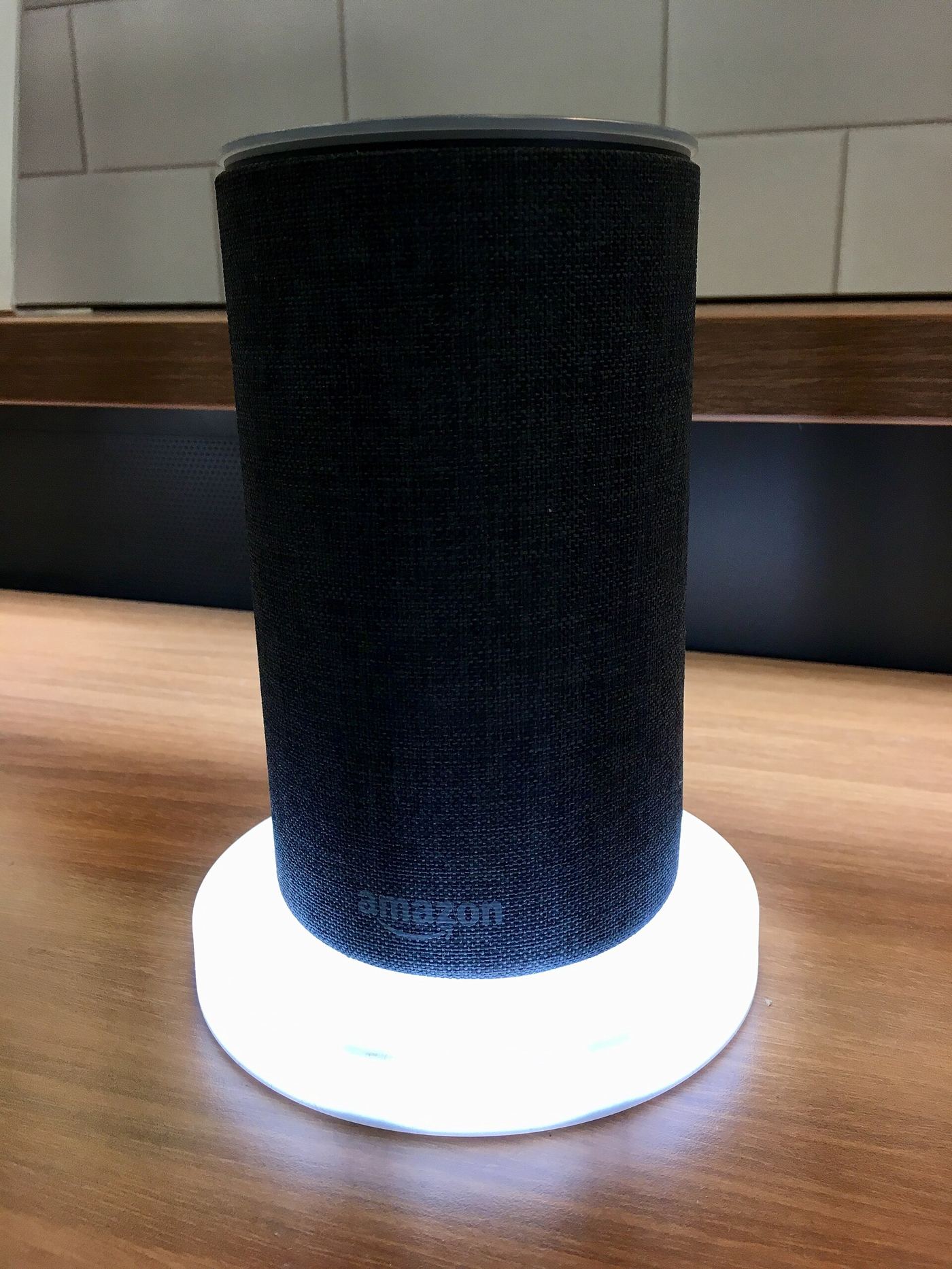
Smart home technology has moved beyond novelty and into the practical details of daily life. Lights that adjust to the time of day, thermostats that learn household patterns, and speakers that manage reminders are now working together in many homes. The appeal is less about owning the newest gadget and more about reducing small, repeated tasks. When devices are set up thoughtfully, they can save time in the morning, improve comfort in the evening, and help families keep track of energy use. The most successful setups tend to start small, solve a clear problem, and expand only when a new device genuinely makes an existing routine easier or more reliable.
What the Evidence Shows
Choosing the right devices still requires care. Compatibility between brands, clear privacy settings, and reliable home Wi-Fi all shape whether a system feels helpful or frustrating. Experts often suggest beginning with one room and testing how the technology fits real habits before adding more. Security updates and simple controls also matter, especially for households with children or older relatives. Looking ahead, manufacturers are focusing on standards that let products from different companies work together more smoothly. That shift could make smart homes easier to build and maintain, turning a collection of separate gadgets into a calm, coordinated system that supports daily life without demanding constant attention. Reporting and analysis from sources such as MIT Technology Review track the same developments, and specialists following smart home routines made simpler say the direction is now consistent across independent lines of evidence.
The Wider Context
The wider context is an industry learning to ship capability and restraint together. Products built around smart home routines made simpler now launch with safety evaluations, usage data and rollback plans as standard, because enterprise buyers and regulators ask for them in the first meeting. Companies that treated those questions as friction are discovering they have become the purchase criteria.
What Happens Next
What happens next for smart home routines made simpler depends less on another breakthrough than on the unglamorous work of reliability, pricing and support. The buyers evaluating it now are not enthusiasts; they are operators with budgets and auditors, and their checklists will decide the timeline. On the evidence of the current pilots, the technology has earned the right to be judged by them. You can follow related developments in our coverage of technology.
There is a practical lesson in all of this for readers deciding what to do today. Start with the verified facts, be wary of anyone promising certainty, and prefer reversible steps while the evidence is still developing. Circumstances differ by country, income and personal situation, so general guidance should always be weighed against your own context before you act on it in any significant or lasting way.
