
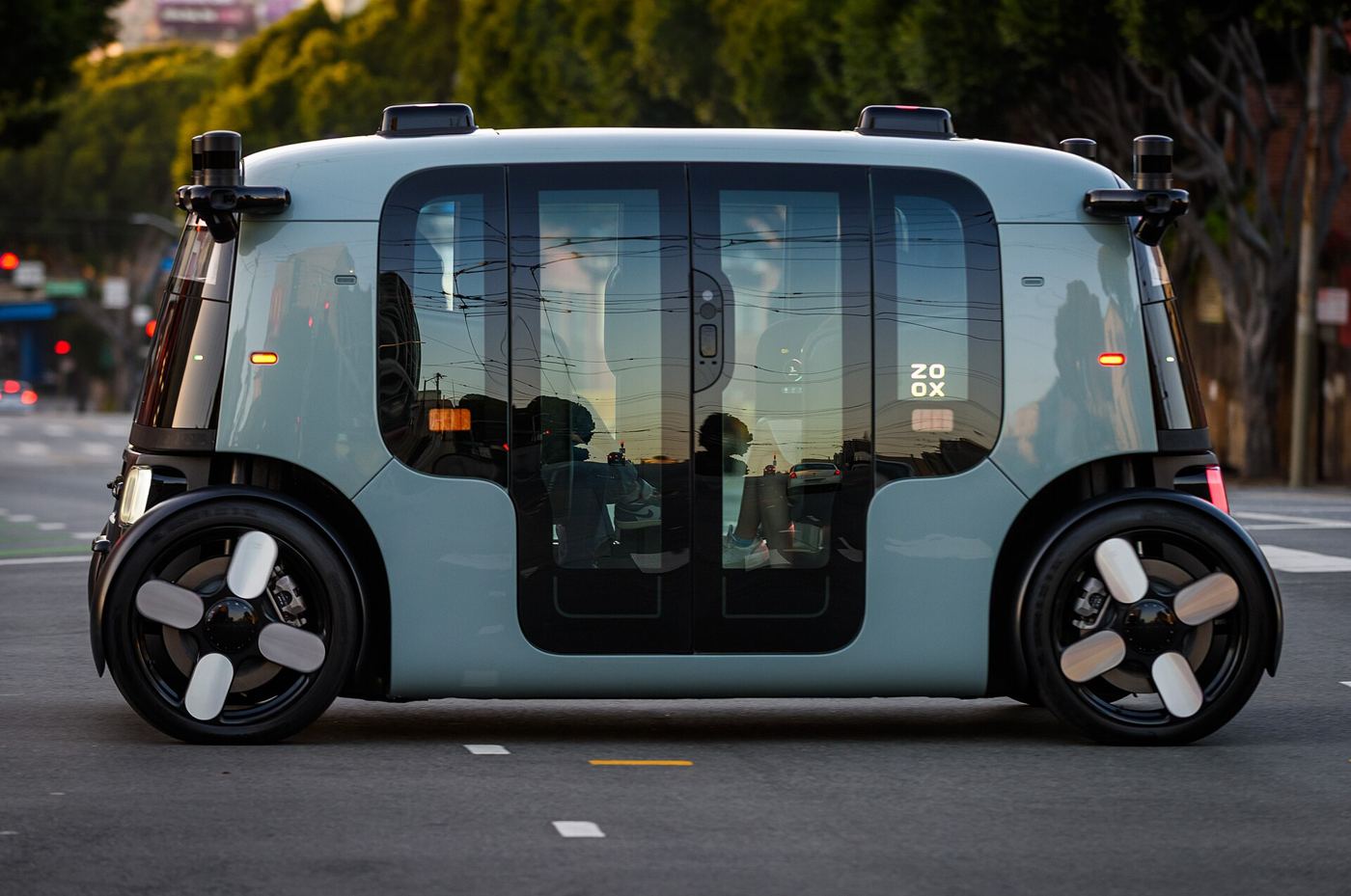
Driverless cars have moved from test tracks and small pilot zones into everyday city life in the United States. Waymo, the self-driving company owned by Alphabet, now offers paid rides without a human driver in fifteen metropolitan areas, including Phoenix, San Francisco, Los Angeles, Miami, Dallas, Houston, Denver, San Diego and Tampa. The expansion in 2026 was rapid, with several cities opening to public riders in the same year, and the company says it is providing hundreds of thousands of paid trips every week. For passengers, the experience is deliberately ordinary: they summon a car through an app, climb in alone, and watch the steering wheel turn by itself. Behind that simplicity sits a large system of cameras, radar, lidar and mapping software that builds a detailed picture of the road in real time. Supporters argue that removing the driver can cut crashes caused by distraction, tiredness and impairment, while critics ask how the vehicles behave in heavy rain, roadworks and unusual situations. The answer is being tested in public, mile by mile, in real traffic.
What the Evidence Shows
The scale of the rollout matters because each new city tests the technology in different conditions. Phoenix brings wide roads and desert heat, San Francisco brings steep hills and fog, Miami brings sudden tropical rain, and Los Angeles brings dense freeway traffic. Waymo has also introduced a purpose-built vehicle, the Ojai, designed around passengers rather than adapted from an existing car, with a flat floor, wide doors and accessibility features. Regulators are watching closely, and approvals vary from state to state, so growth depends as much on permits and public trust as on engineering. Taxi drivers and ride-hailing drivers worry about their livelihoods, while city officials weigh congestion, kerb space and safety data. What is clear is that robotaxis are no longer a demonstration. They are a working transport service used by ordinary commuters, airport travellers and night-shift workers, and their performance over the next few years will shape how quickly driverless transport spreads to other countries. Reporting and analysis from sources such as MIT Technology Review track the same developments, and specialists following driverless ride-hailing say the direction is now consistent across independent lines of evidence.
The Wider Context
The wider context is an industry learning to ship capability and restraint together. Products built around driverless ride-hailing now launch with safety evaluations, usage data and rollback plans as standard, because enterprise buyers and regulators ask for them in the first meeting. Companies that treated those questions as friction are discovering they have become the purchase criteria.
What Happens Next
What happens next for driverless ride-hailing depends less on another breakthrough than on the unglamorous work of reliability, pricing and support. The buyers evaluating it now are not enthusiasts; they are operators with budgets and auditors, and their checklists will decide the timeline. On the evidence of the current pilots, the technology has earned the right to be judged by them. You can follow related developments in our coverage of technology.
There is a practical lesson in all of this for readers deciding what to do today. Start with the verified facts, be wary of anyone promising certainty, and prefer reversible steps while the evidence is still developing. Circumstances differ by country, income and personal situation, so general guidance should always be weighed against your own context before you act on it in any significant or lasting way.
