
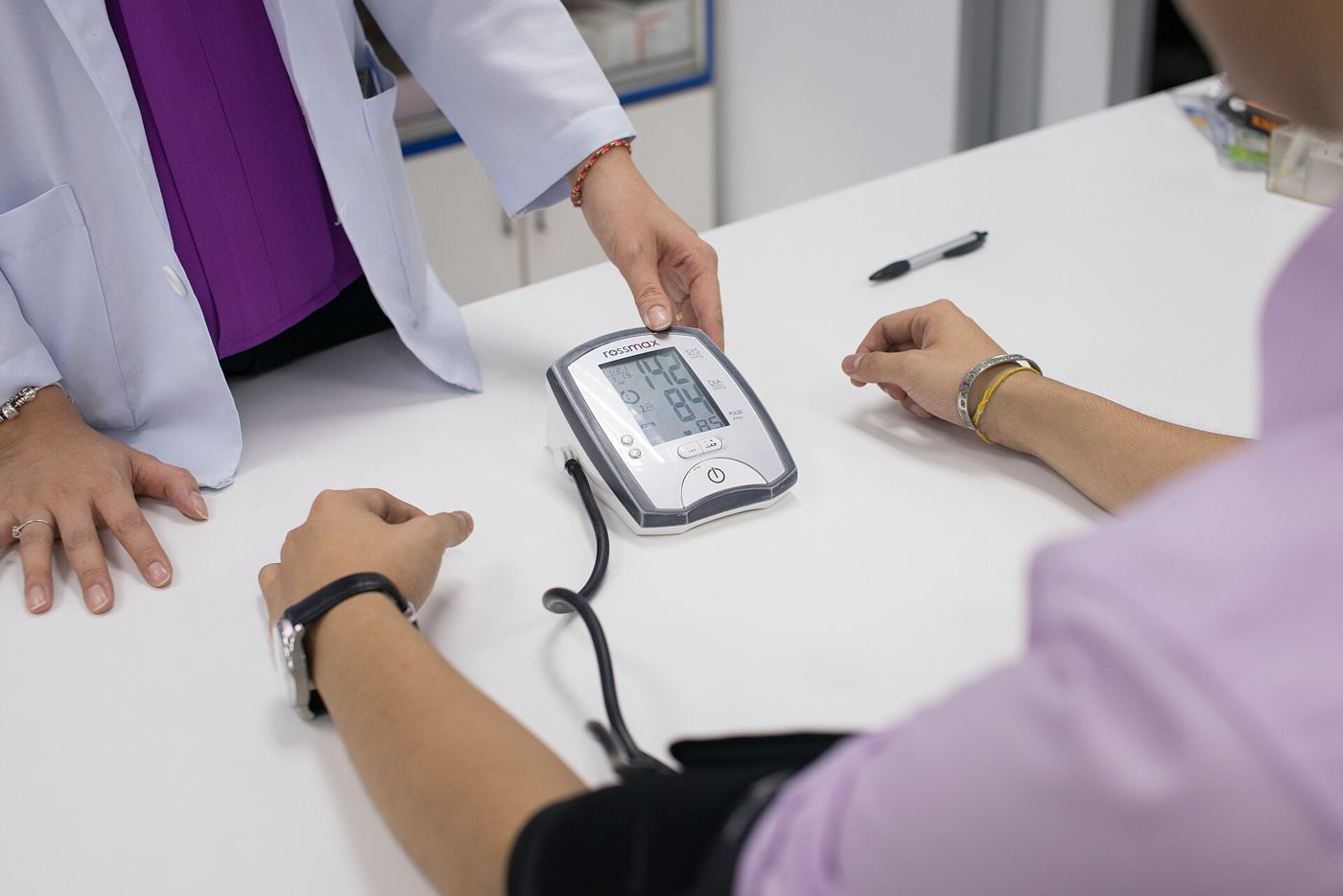
High street pharmacies are quietly taking on more of the everyday health work that once meant a trip to the doctor, from blood pressure checks and flu jabs to advice on minor illnesses and help stopping smoking. Pharmacists say they are the most accessible health professionals on the high street, open long hours, with no appointment needed, and that many people find it easier to walk in and ask than to wait days for a GP slot. Patients say the service is quick and practical, with the pharmacist able to spot warning signs, such as high blood pressure, and send the person to their doctor before it becomes a crisis. Health officials say the shift eases pressure on GP surgeries, freeing doctors for patients who need them most, and brings care closer to home, especially for people in towns where the surgery is hard to reach.
What the Evidence Shows
Health experts say pharmacies could do still more, with private consultation rooms now common and pharmacists trained to prescribe some medicines themselves. They suggest that more people should think of the pharmacy first for coughs, rashes, aches and questions about their medicines, rather than waiting for a GP appointment. Some pharmacies now run clinics for asthma checks, diabetes advice and weight management, with results shared with the patient’s doctor. Pharmacists add that they need fair funding to keep the service going, since many small pharmacies struggle with rising costs and the price of medicines. For patients, the change is welcome, turning the chemist from a place that hands over prescriptions into a first stop for everyday health. The hope is that a quick chat over the counter catches problems early, when they are easiest to treat. Reporting and analysis from sources such as Reuters track the same developments, and specialists following the growing role of high street pharmacies say the direction is now consistent across independent lines of evidence.
The Wider Context
The wider context is a public conversation conducted at a speed institutions were not built for. Developments around the growing role of high street pharmacies are announced, contested and revised within a single news cycle, and the officials involved have learned to publish evidence alongside claims so that scrutiny can actually occur. Trust, the polling suggests, follows that transparency more than it follows confidence.
What Happens Next
What happens next in the story of the growing role of high street pharmacies will be decided in the places where it is being implemented, measured and argued about in public. The officials and organisations involved have committed to publishing progress data, and that commitment gives residents, businesses and journalists something firmer than promises to judge. The next milestones are dated, which means they can be checked. You can follow related developments in our coverage of news.
There is a practical lesson in all of this for readers deciding what to do today. Start with the verified facts, be wary of anyone promising certainty, and prefer reversible steps while the evidence is still developing. Circumstances differ by country, income and personal situation, so general guidance should always be weighed against your own context before you act on it in any significant or lasting way.
