
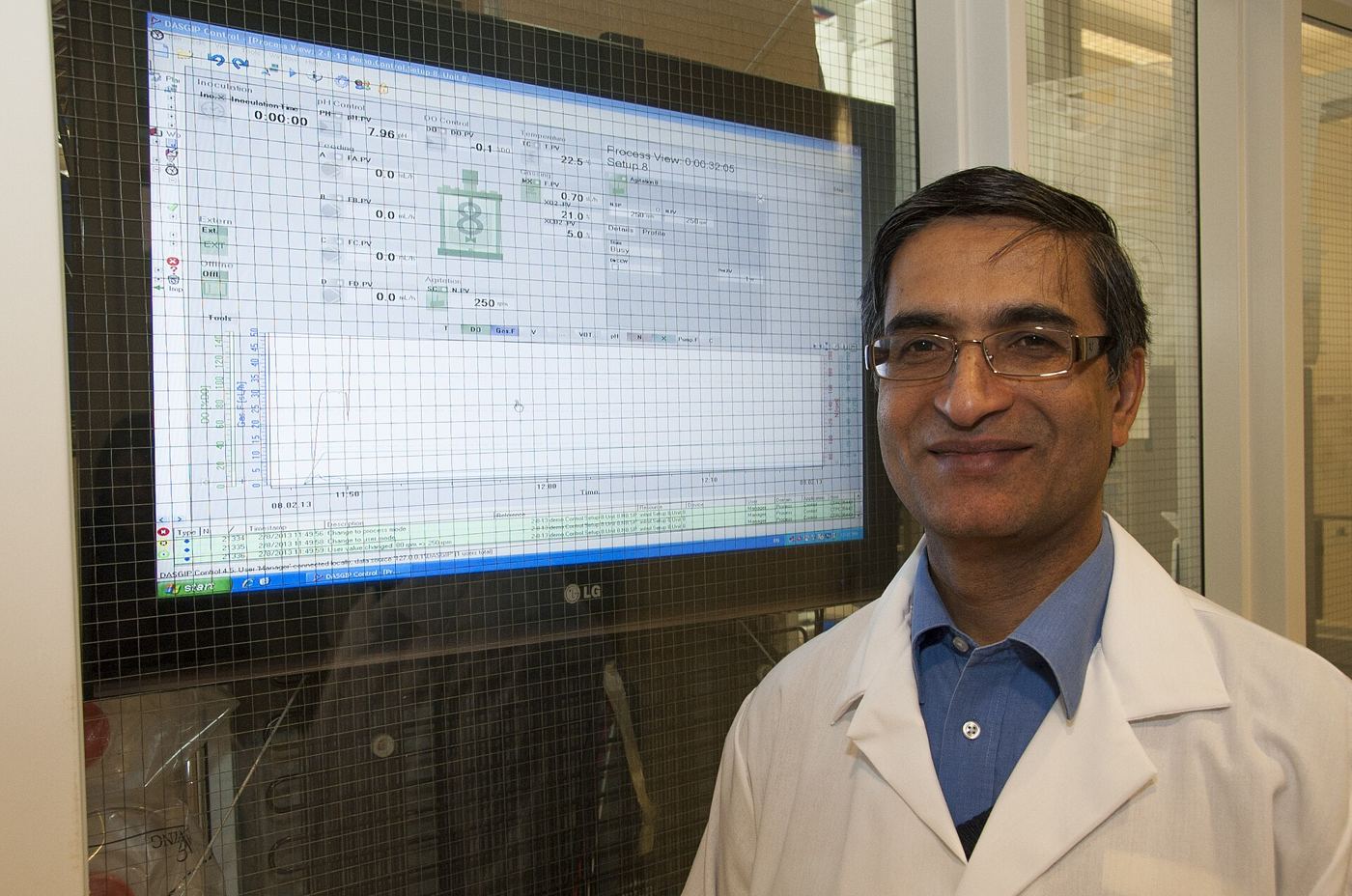
Finding a new medicine has always been slow and costly work. Researchers traditionally screened thousands of chemical compounds in laboratories, testing each one against a target linked to a disease, and most candidates failed long before reaching patients. The process could take a decade and consume vast sums, which is one reason new treatments arrive so slowly. Artificial intelligence is beginning to change that pattern. Computer models trained on large collections of chemical and biological data can now suggest which molecules are most likely to bind to a disease target, and which are likely to fail for safety reasons. Pharmaceutical teams use these predictions to narrow a long list of candidates to a small number worth testing in the laboratory. The models can also propose entirely new molecular structures that human chemists might never have considered. Early results have been encouraging, with several AI-designed compounds already entering human trials, and researchers say the approach could cut years from the search for treatments for diseases that currently have few options.
What the Evidence Shows
The technology works by learning patterns from decades of published chemistry and biology. A model studies how known drugs interact with proteins, how molecules are built, and which structures tend to cause side effects, then applies those lessons to new targets. Scientists still test every suggestion in the laboratory, since a computer prediction is only a starting point and the real proof comes from experiments on cells and animals. The value is in the speed of the search: a team can explore millions of possibilities in days instead of years. Regulators are watching closely, because a drug designed with AI must pass the same safety trials as any other medicine. Researchers caution that the tools are not a shortcut around testing, but they say the early pipeline results suggest the approach is here to stay. Reporting and analysis from sources such as MIT Technology Review track the same developments, and specialists following the AI-designed drug candidates say the direction is now consistent across independent lines of evidence.
The Wider Context
The wider context is an industry learning to ship capability and restraint together. Products built around the AI-designed drug candidates now launch with safety evaluations, usage data and rollback plans as standard, because enterprise buyers and regulators ask for them in the first meeting. Companies that treated those questions as friction are discovering they have become the purchase criteria.
What Happens Next
What happens next for the AI-designed drug candidates depends less on another breakthrough than on the unglamorous work of reliability, pricing and support. The buyers evaluating it now are not enthusiasts; they are operators with budgets and auditors, and their checklists will decide the timeline. On the evidence of the current pilots, the technology has earned the right to be judged by them. You can follow related developments in our coverage of technology.
There is a practical lesson in all of this for readers deciding what to do today. Start with the verified facts, be wary of anyone promising certainty, and prefer reversible steps while the evidence is still developing. Circumstances differ by country, income and personal situation, so general guidance should always be weighed against your own context before you act on it in any significant or lasting way.
