
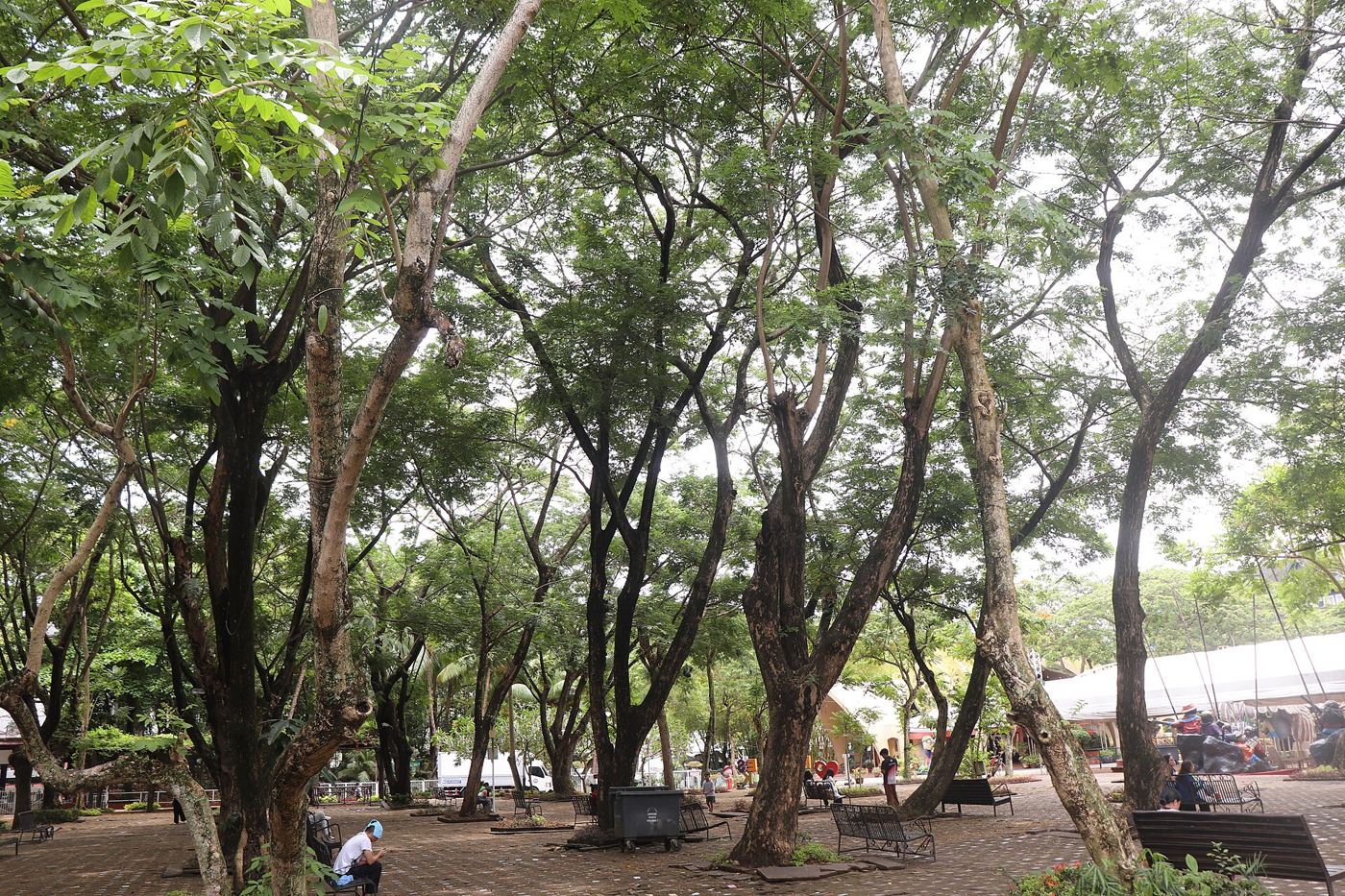
Playgrounds, market squares and public seating areas are receiving a practical upgrade this summer, as new shade sails are installed over the spots where people gather most. The stretched fabric structures cool the ground beneath them and make benches, sandpits and picnic tables usable through the middle of the day, when open spaces often empty. Parks officers say locations were chosen with schools, parents and community groups, focusing first on places popular with young children and older residents. The sails are designed to be removed or repaired if damaged, and their supports have been positioned to avoid disturbing tree roots and underground services. Installation work has been scheduled to avoid the busiest weekends where possible, and each completed site is opened as soon as safety checks on the fixings are finished.
What the Evidence Shows
Shade is increasingly treated as part of basic public comfort, alongside drinking water, seating and toilets. Health advice about sun protection reaches further when the environment itself offers somewhere cool to pause, rather than asking individuals to manage alone. Maintenance teams will inspect fixings regularly, since summer storms can strain fabric and poles. Some sites combine the sails with new tree planting, which will take over more of the shading work as canopies grow in coming years. Residents consulted on the designs chose colours intended to sit comfortably with surrounding buildings and planting. Councils say further sites are under consideration, with feedback from this summer’s busiest locations guiding where the next round of shade should go. Usage at the completed sites will be counted through the rest of the summer. Reporting and analysis from sources such as Associated Press track the same developments, and specialists following shade sails for public spaces say the direction is now consistent across independent lines of evidence.
The Wider Context
Regional and local reporting on shade sails for public spaces often tells a different story from national coverage, because the effects land unevenly: one town’s pilot is another’s distant proposal. Analysts who follow the subject full-time read the local data first, arguing that national averages conceal the variation that decides whether a policy or a project deserves to spread.
What Happens Next
The longer story of shade sails for public spaces is still being written by the people closest to it, whose experience rarely matches the earliest predictions of either supporters or critics. Reporting will continue to follow the evidence as it accumulates, including where it complicates today’s account. That is the deal serious coverage makes with its readers, and it holds for this subject as for any other. You can follow related developments in our coverage of news.
It is also worth remembering how quickly the picture in this area has changed before. Positions that looked settled a few years ago have been revised as new data arrived, and the same humility is appropriate now. The strongest coverage of this subject, and the most useful advice, tends to come from sources that update their views openly when the facts move, rather than defending an earlier position long after it has stopped fitting the evidence available.
