
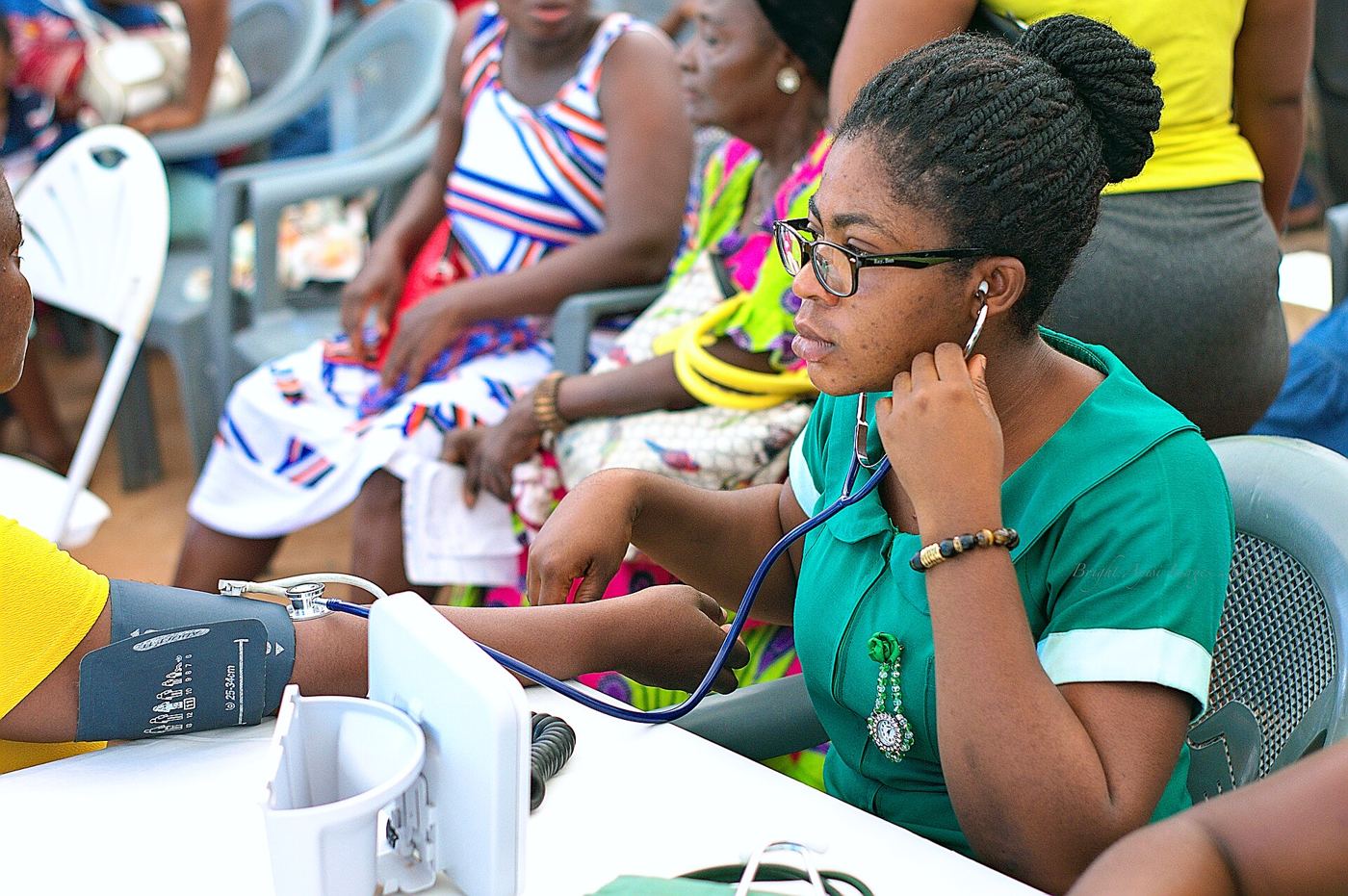
Many people are surprised when a blood pressure reading taken by a nurse in clinic looks higher than the calmer numbers they record at home. Clinicians call the clinic rise the white coat effect, where anxiety, rushing to an appointment, or talking during the measurement can lift results for a short time. That is why nurses ask patients to sit quietly, keep both feet flat, rest the arm at heart level, and avoid caffeine or exercise just beforehand. A single reading rarely tells the full story, so staff often repeat the check after a few minutes. Understanding these details helps patients trust the process and have a more useful conversation about what their readings actually mean. Nurses say raising the topic openly also helps, because patients who understand the difference are less likely to panic over a single higher clinic figure.
What the Evidence Shows
For some patients, clinicians suggest keeping a simple home log over several days, using a correctly sized cuff and recording the time, position, and any symptoms alongside each result. Bringing that log to appointments gives a fuller picture than one clinic snapshot and can show whether higher readings persist in everyday life. Nurses also check that cuffs fit properly, because a cuff that is too small can overestimate blood pressure. Health teams stress that home monitoring supports, rather than replaces, professional review, especially for people who are pregnant, have kidney or heart conditions, or take medicines that affect blood pressure and need regular, careful follow up over time. Patients are advised to rest quietly before home readings too, and to avoid checking repeatedly when anxious, since constant measuring can itself raise stress and readings. Reporting and analysis from sources such as World Health Organization track the same developments, and specialists following home and clinic blood pressure readings say the direction is now consistent across independent lines of evidence.
The Wider Context
The wider context is a health system trying to move from treating illness late to preventing it early, against budgets that reward the opposite. Evidence around home and clinic blood pressure readings is being weighed by guideline committees that ask two questions in order: does it work, and can ordinary services actually deliver it at scale. Many good ideas pass the first test and stall on the second.
What Happens Next
What happens next for home and clinic blood pressure readings depends on the slow machinery of guidelines, funding and training catching up with the evidence. Patients asking about it today should expect honest answers that include uncertainty, and clinicians say a service that explains what is not yet known earns more trust than one that oversells. The research pipeline, at least, is moving in the right direction. You can follow related developments in our coverage of health.
There is a practical lesson in all of this for readers deciding what to do today. Start with the verified facts, be wary of anyone promising certainty, and prefer reversible steps while the evidence is still developing. Circumstances differ by country, income and personal situation, so general guidance should always be weighed against your own context before you act on it in any significant or lasting way.
